HIT Forum speakers highlight governance, consistent policy, industrial strength as keys to a lasting Korea premium
After an unprecedented rally put South Korea’s stock market back on global investors’ radar, the market is facing a new test.
A correction has brought volatility back to the forefront, turning attention to the semiconductor heavyweights that fueled much of the rally and raising questions over how long the momentum can continue.
Yet for policymakers and investors, the bigger question goes beyond the next semiconductor cycle: Has Korea simply enjoyed another cyclical upswing, or is its capital market finally undergoing the structural rerating long promised by efforts to erase the "Korea discount"?
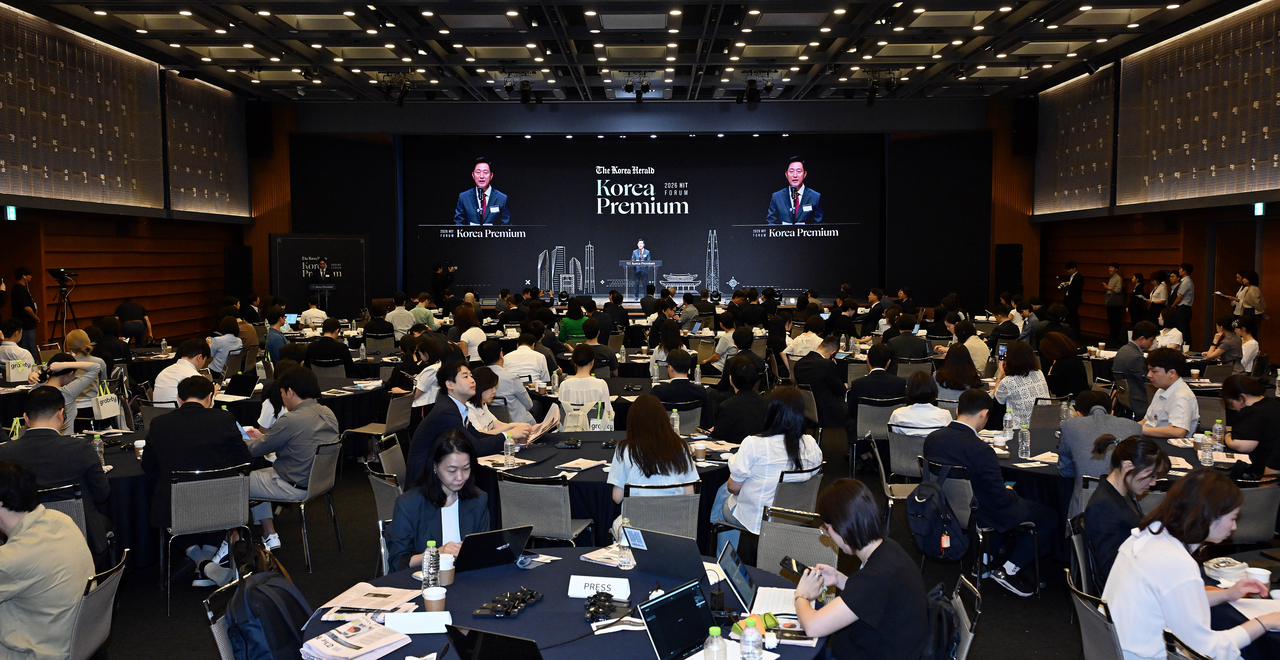
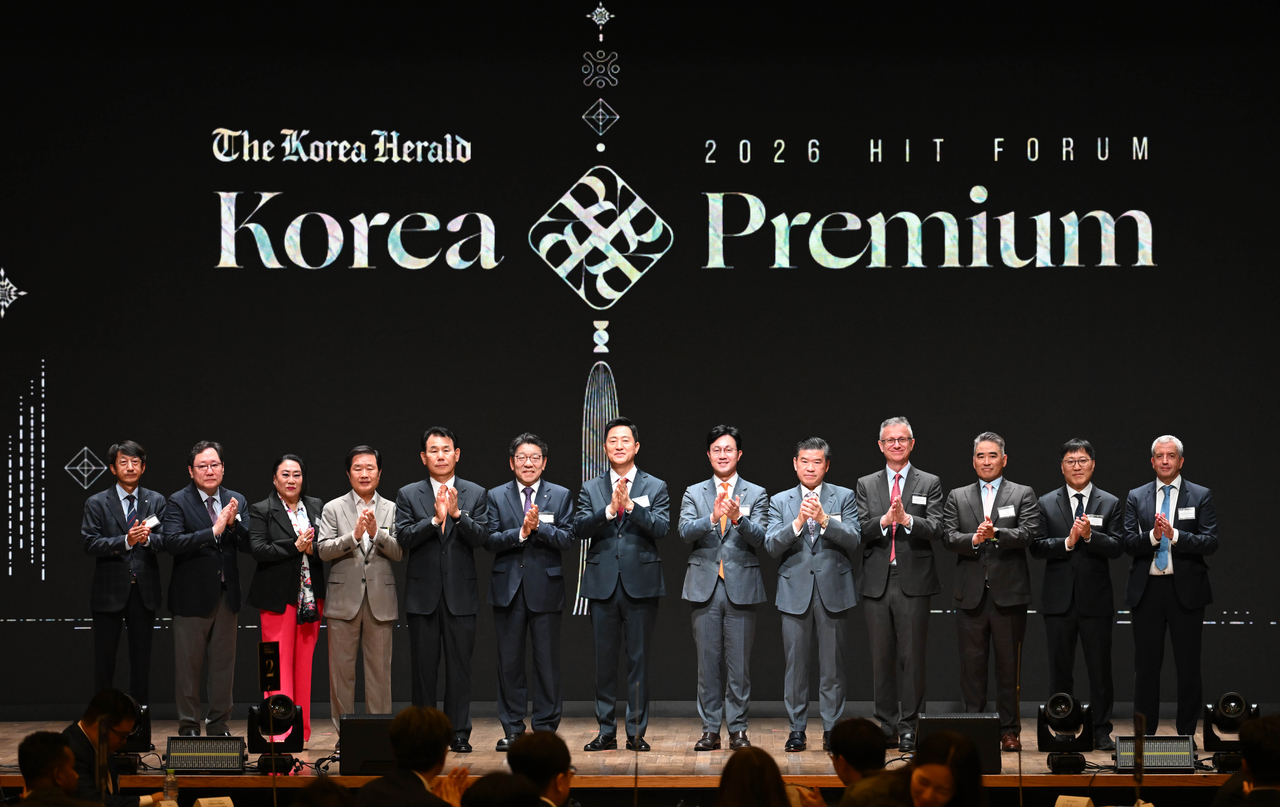
That question was at the heart of The Korea Herald’s 2026 HIT Forum, held Tuesday at the Korea Chamber of Commerce and Industry in central Seoul.
Under the theme "Korea Premium: Connecting Korean Opportunities with Global Capital," the annual forum brought together senior government officials, financial and industry executives and global investors to explore what Korea must do to turn a powerful rally into a sustainable premium.
Opening the forum, Herald Media Group CEO Choi Jin-young said a lasting rerating would require transparent governance, consistent shareholder returns, predictable rules and a fair market.
An emphasis on trust ran throughout the forum.

Prime Minister Han Seong-sook, delivering congratulatory remarks by video, highlighted government efforts to strengthen investor protections and market credibility, including revisions to the Commercial Act and measures to combat stock manipulation.
"The South Korean government will continue working to establish a fair and transparent market order and promote a corporate culture that respects shareholder value," she said. "The government will make all-out efforts to move past the ‘Korea premium’ and build an ‘irreplaceable Korea.’"
Seoul Mayor Oh Se-hoon said Korea needs a capital market that better connects competitive companies with capital and talent, reaching a level commensurate with the country’s economic standing.
"Corporate innovation may begin with ideas and technology, but it can truly grow when companies meet investors who recognize their potential and gain access to capital when they need it," Oh said.

"A virtuous cycle in which good companies are properly valued and their success leads back to innovation and investment — that is the Korea premium we need to build."
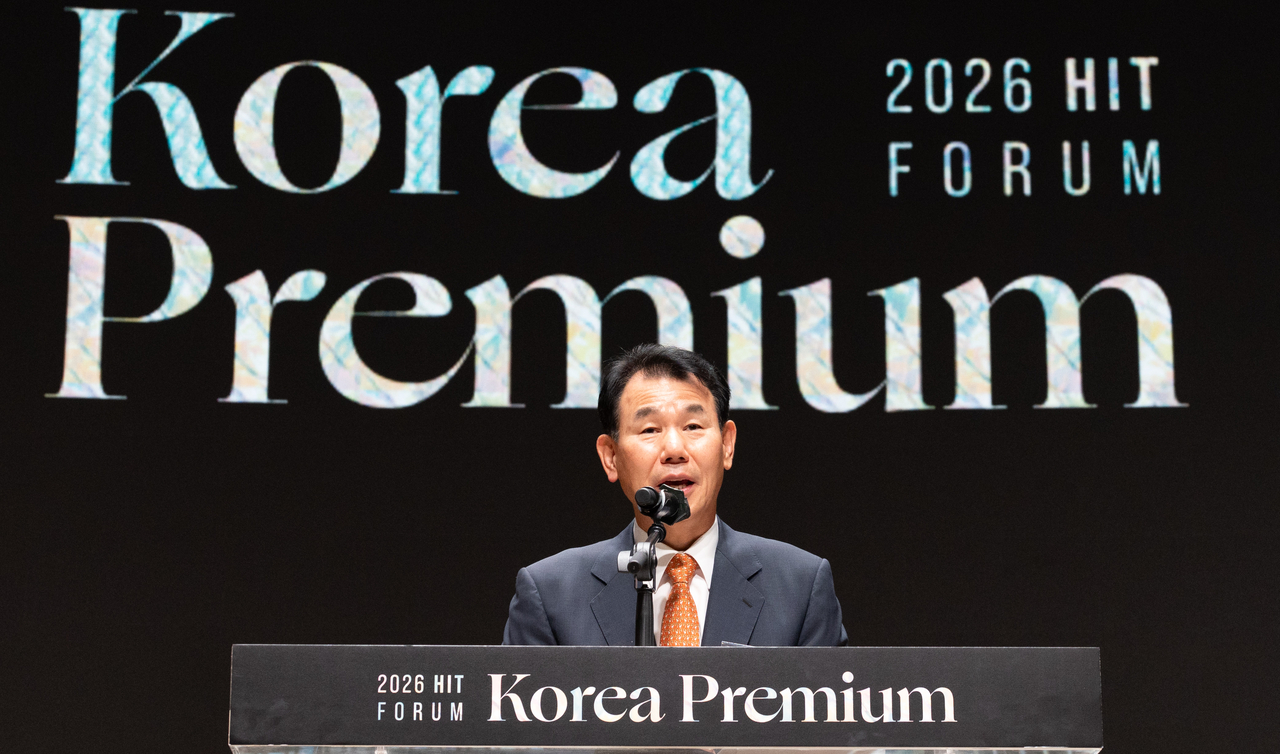
Korea Exchange Chair and CEO Jeong Eun-bo said the market had reached a critical juncture, calling for Korea to move beyond its long-standing focus on eliminating the discount and begin building a sustainable premium.
"To achieve that, we need a trusted market environment where Korean companies are properly valued and global investors can participate more easily," Jeong said.
For foreign businesses, however, the ultimate test is how those reforms are experienced in practice.
"Global investors do not measure reform by what is announced. They measure it by what they experience," said James Kim, chair and CEO of the American Chamber of Commerce in Korea. "Korea already has the companies, the technology and the talent. The next step is to build a regulatory and investment environment that fully reflects those strengths."
From discount to rerating
The distinction between a rally and a genuine rerating was also central to the forum’s keynote speeches.
Lee In-hyung, vice president of the Korea Capital Market Institute, argued that a premium cannot simply be declared by policymakers or the market itself.

"A premium is not a status a market can assign to itself," Lee said. "It is a price that investors are willing to pay, and they pay when they are satisfied that the cash earnings of the company will eventually reach them."
Lee identified corporate governance as an important factor behind Korea’s persistent valuation gap, saying recent reforms have strengthened shareholder rights and contributed to increases in dividends, buybacks and share cancellations.
Still, he cautioned that it is too early to conclude that those reforms have produced a structural rerating across the broader market, given the dominant role of semiconductors in the rally.
"The distribution channel is responding, but the revaluation channel is at present difficult to distinguish," he said.
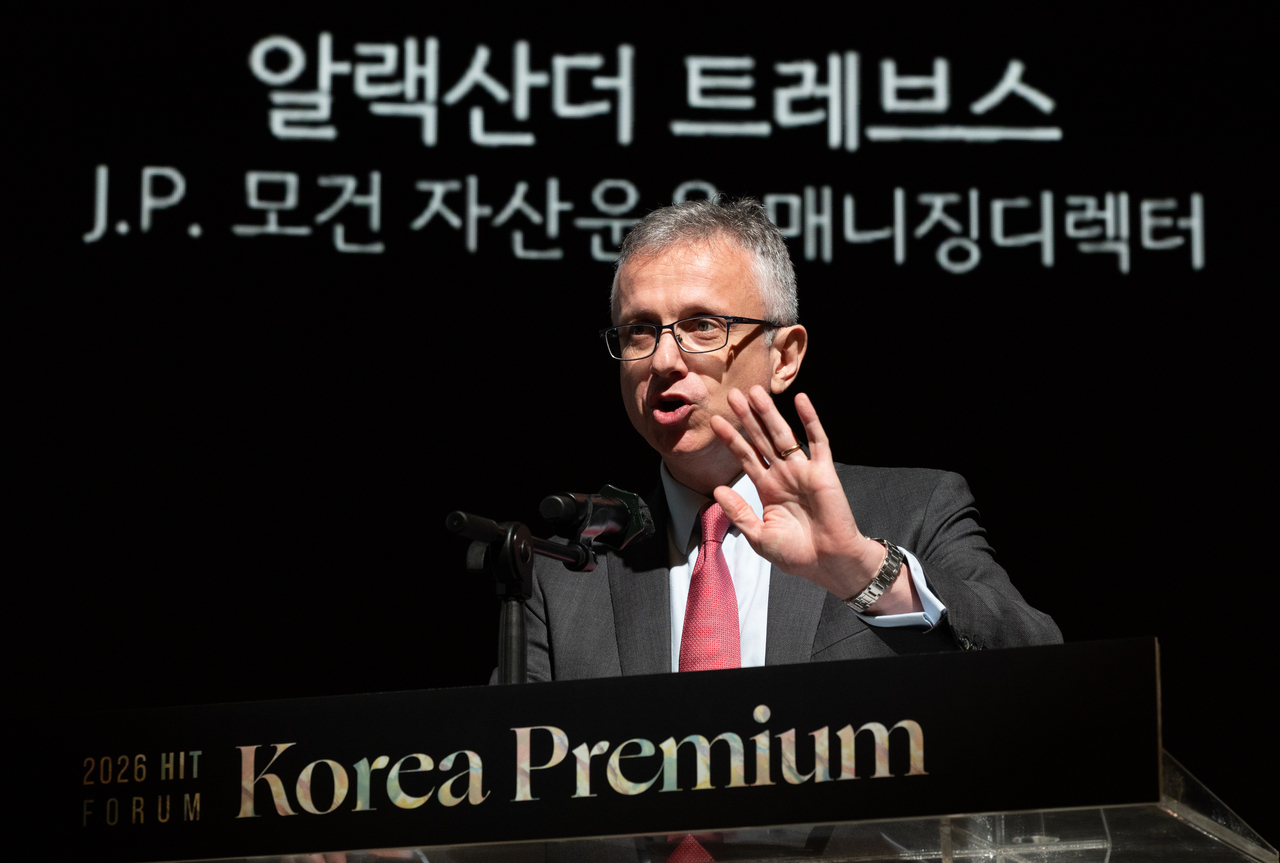
Drawing on nearly three decades of experience following Korea since his first visit to Seoul in 1997, Alexander Treves, managing director at JPMorgan Asset Management, said the country has much to be optimistic about, from globally competitive products to the growing international appeal of its culture.
But he warned against taking Korea’s rising investment appeal for granted.
"While we can be optimistic about Korea as an investment destination, we cannot be complacent," Treves said. "If Korea does not continue to improve, in particular in terms of corporate governance, it risks being just a ‘nice-to-have’ investment destination for global investors."
If reform and innovation continue, however, Korea could become a "must-have" allocation, he said.
Life beyond memory
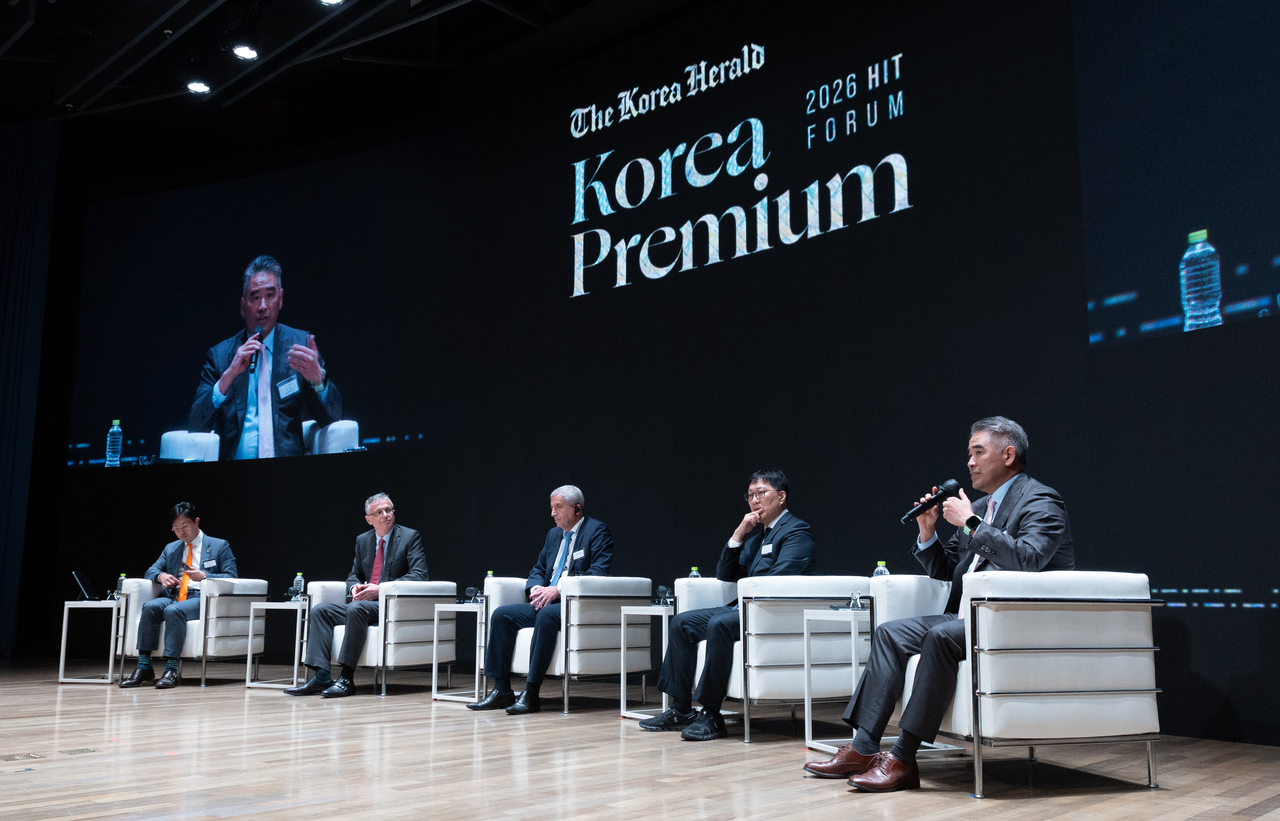
The debate over whether Korea’s gains can be sustained continued during a panel discussion moderated by Choi Young-jin, chief marketing officer and executive vice president at Hanwha Asset Management.
Park Jeong-woo, Nomura’s senior economist for Korea and Taiwan, said the semiconductor cycle could remain supportive for some time because growing technological complexity is making it harder for chipmakers to expand supply quickly.
"As the technology becomes increasingly difficult, it is getting harder to increase supply," Park said. "With demand supporting it, I think this supply shortage could last longer."
The broader question was whether Korea could turn semiconductor-led momentum into a more diversified investment story.
Frank Benzimra, head of Asia equity strategy at Societe Generale, said Korea’s industrial structure is increasingly aligned with global shifts toward capital investment, reindustrialization and economic security.
He pointed to batteries, shipbuilding, industrial engineering and nuclear power as areas where Korea offers strengths that are difficult for investors to replicate elsewhere.
For Joon Seok, Morgan Stanley’s chief Korea equity strategist, turning the current momentum into a lasting premium ultimately comes down to consistency — not only in government policy, but also in corporate actions and capital management.
"There’s a saying, ‘slow and steady wins the race,’" Seok said. "One of the most important things investors look for is consistency — whether that is consistency in policy, corporate actions or capital management."
Now that Korea has captured global investors’ attention, the next test is whether it can sustain their confidence well beyond the current market cycle.
sahn@heraldcorp.com